Save Ciccio

ROLE

ROLE

UX/UI DESIGNER

UX/UI DESIGNER

TIMELINE

TIMELINE

5 MONTHS

5 MONTHS

TEAM

TEAM

2 RESEARCHERS

2 RESEARCHERS

1 PROJECT MANAGER

1 PROJECT MANAGER

2 DESIGNERS

2 DESIGNERS

CONTRIBUTION

CONTRIBUTION

USER RESEARCH & DATA ANALYSIS

USER RESEARCH & DATA ANALYSIS

INTERACTION DESIGN

INTERACTION DESIGN

ARDUINO PROTOTYPING/CODING

ARDUINO PROTOTYPING/CODING

OVERVIEW

OVERVIEW

How can we make delivery drivers on motorcycles safer?

Due to a variety of reasons, delivery drivers experience an above average number of traffic incidents. As part of an innovative project with Kiska GmbH, my team and I were tasked with tackling this issues. Initially they reached out to a university-run research lab, who put them in touch with us. All of us had similar backgrounds and skillsets, which meant every person was involved in every part of the project, to some degree. We did extensive user research with participants from multiple countries, prototyped 80+ interactive devices, and delivered a full-stack product design, and functional 3D printed alpha-prototype.

Due to a variety of reasons, delivery drivers experience an above average number of traffic incidents. As part of an innovative project with Kiska GmbH, my team and I were tasked with tackling this issues. Initially they reached out to a university-run research lab, who put them in touch with us. All of us had similar backgrounds and skillsets, which meant every person was involved in every part of the project, to some degree. We did extensive user research with participants from multiple countries, prototyped 80+ interactive devices, and delivered a full-stack product design, and functional 3D printed alpha-prototype.

GETTING FAMILIAR

GETTING FAMILIAR

First we had to develop a deep understanding of a delivery driver’s day-to-day

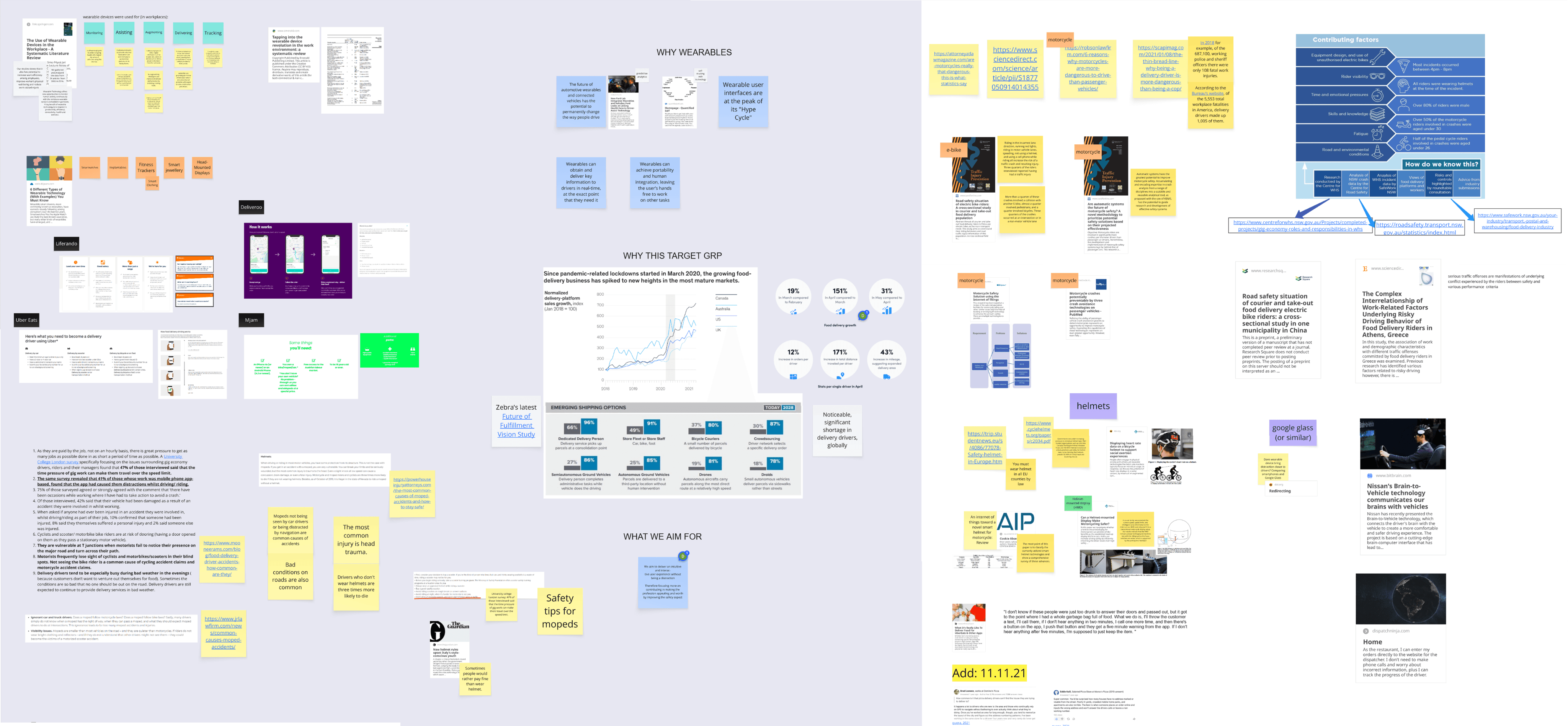
We started with desktop research, and went broad. We investigated the incident rates for delivery drivers, motorcyclists in general, accident rates per weather, and laws within several European countries and their actual effect on safety.

We also tried to understand the day-to-day of delivery drivers. We watched hours of videos of delivery driver’s shifts, made accounts on various commonly used apps to understand how they work, and investigated current, and upcoming safety focused products.

INTERVIEWS

We followed up this research with user interviews. In total we had 14 interviews with delivery drivers from Berlin, Munich, Salzburg, Vienna, Rome, and Athens. Post-interviews we had almost 9 hours of audio to transcribe. With our desktop research data now being put into context, and having analyzed our interview data, we were able to put together a comprehensive list of insights.

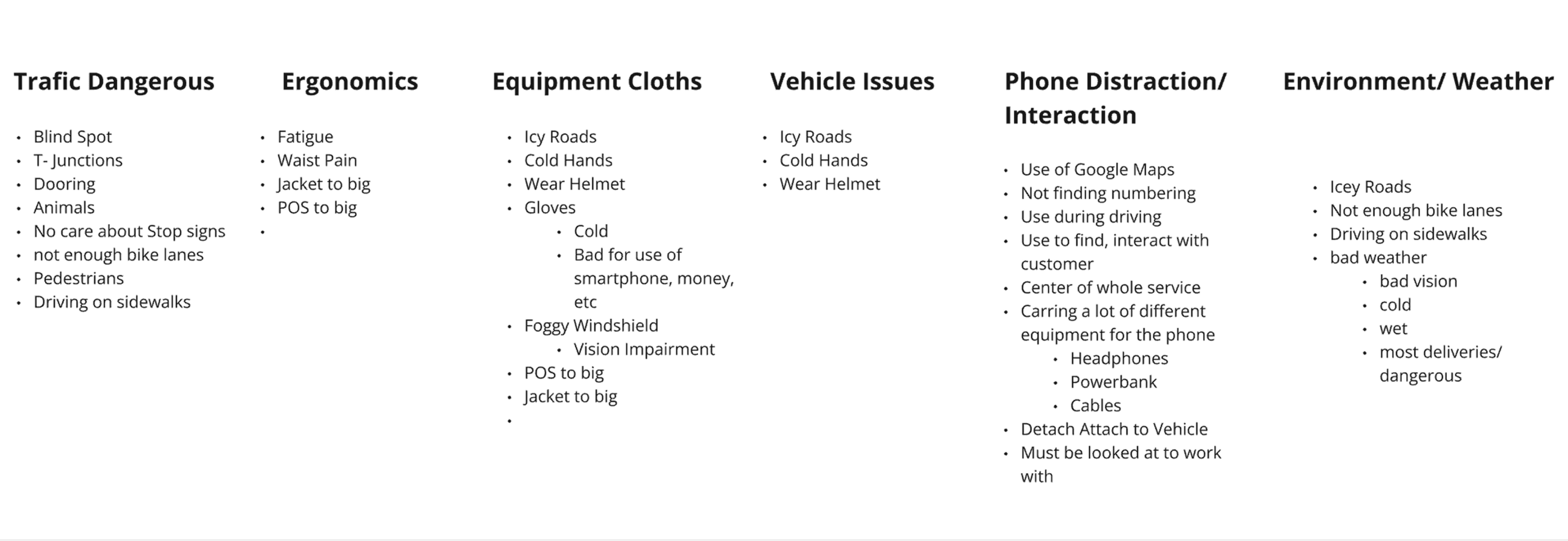
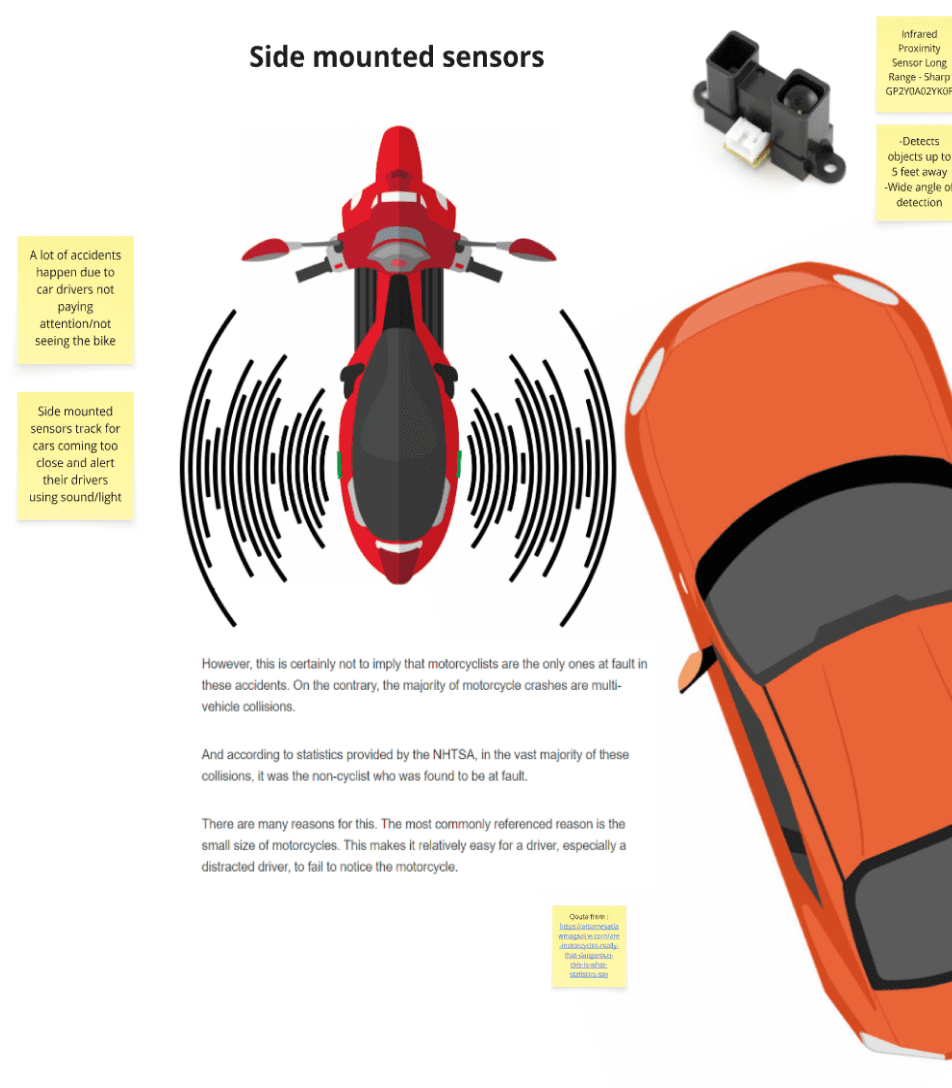
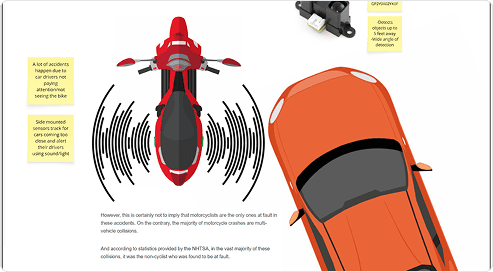
A significant number of insights were ones we were not able to tackle, such as weather conditions, or enforcing laws that genuinely promote safety. However, most other insights were something we could act on. The most promising one was phone usage. Desktop research indicated that over one third of all traffic accidents involving motorbikes were caused by phone usage, and all of our interview participants explicitly mentioned phones as a distractions. Other ones were drivers no wearing helmets, delivery apps encouraging speeding, a car drivers failing to notice motorbikes.
IDEATION

IDEATION

Rapid brainstorming and sketching gave us ideas, and prototyping let us test them

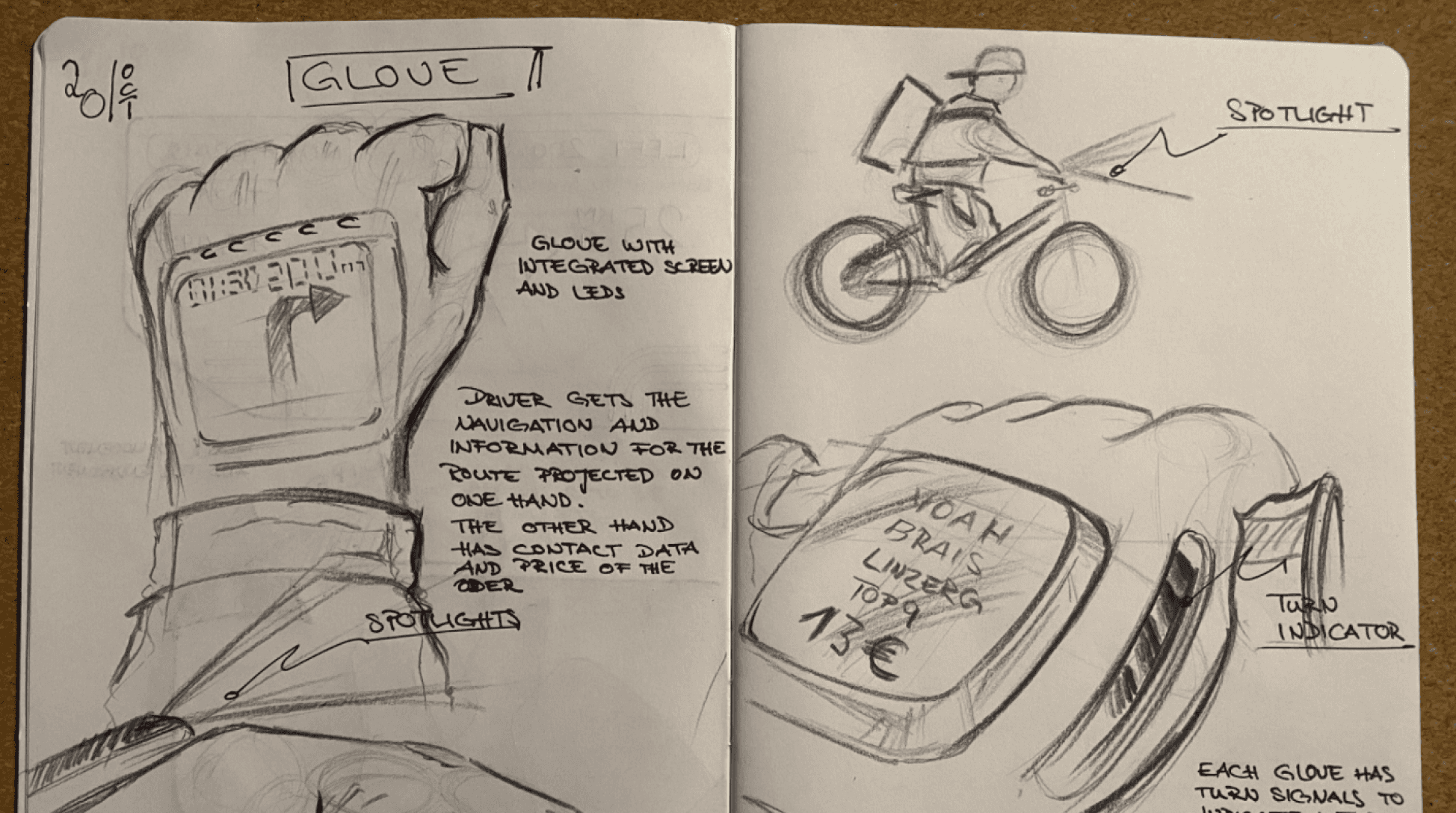
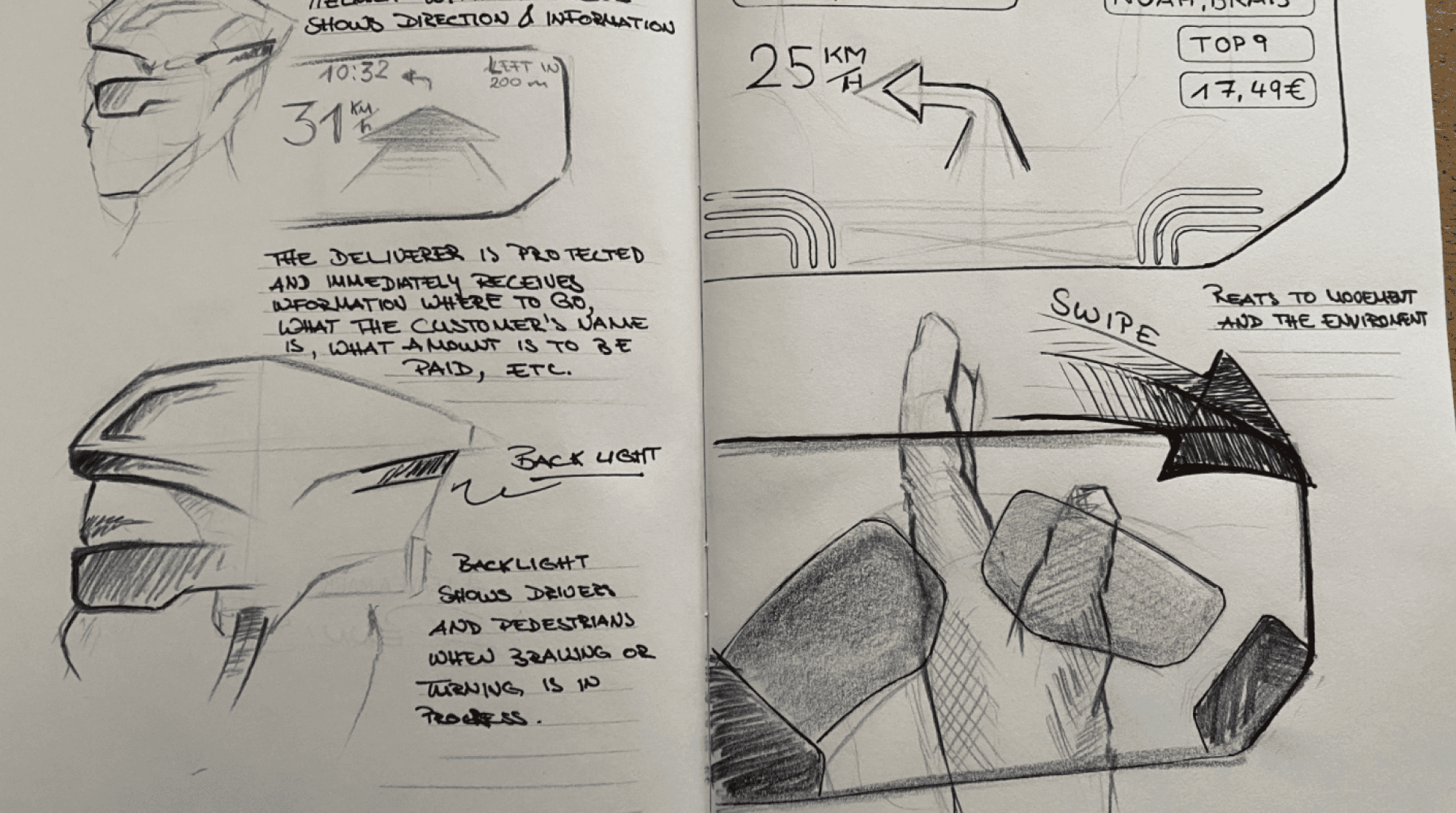
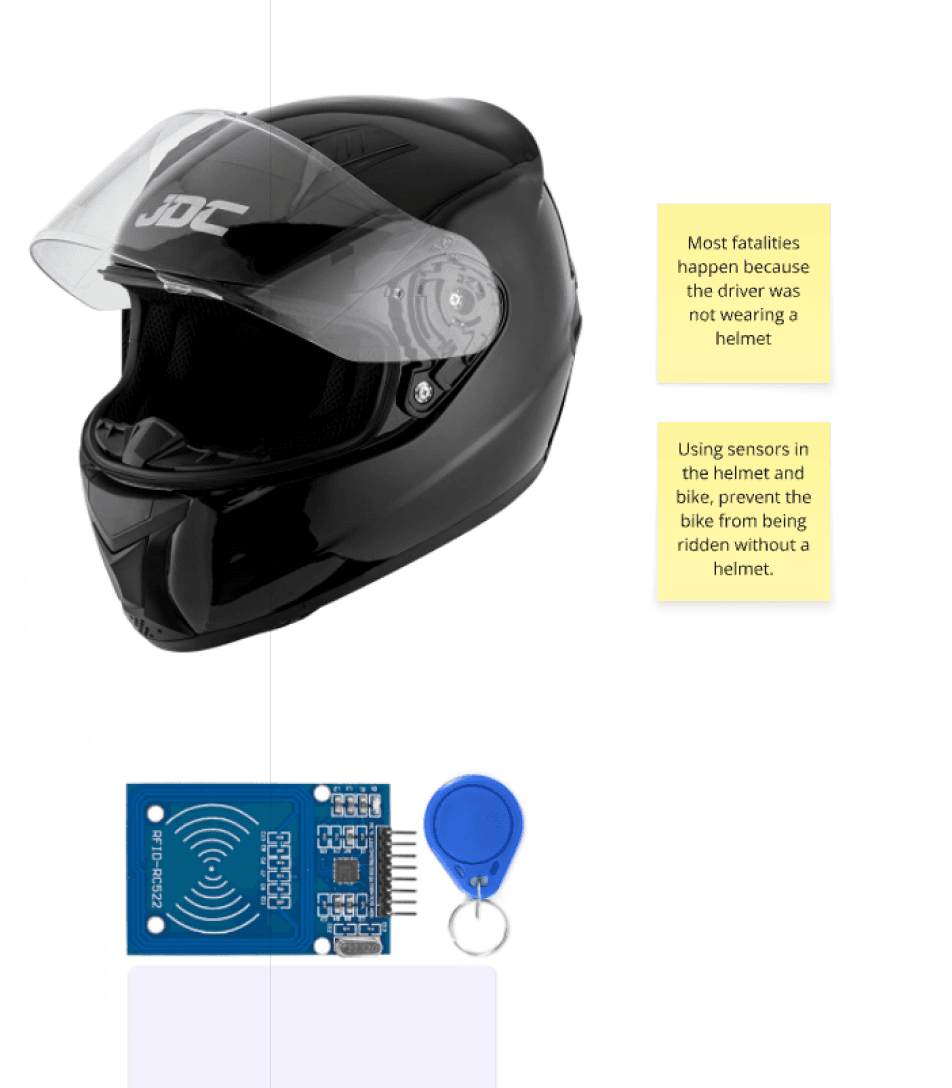
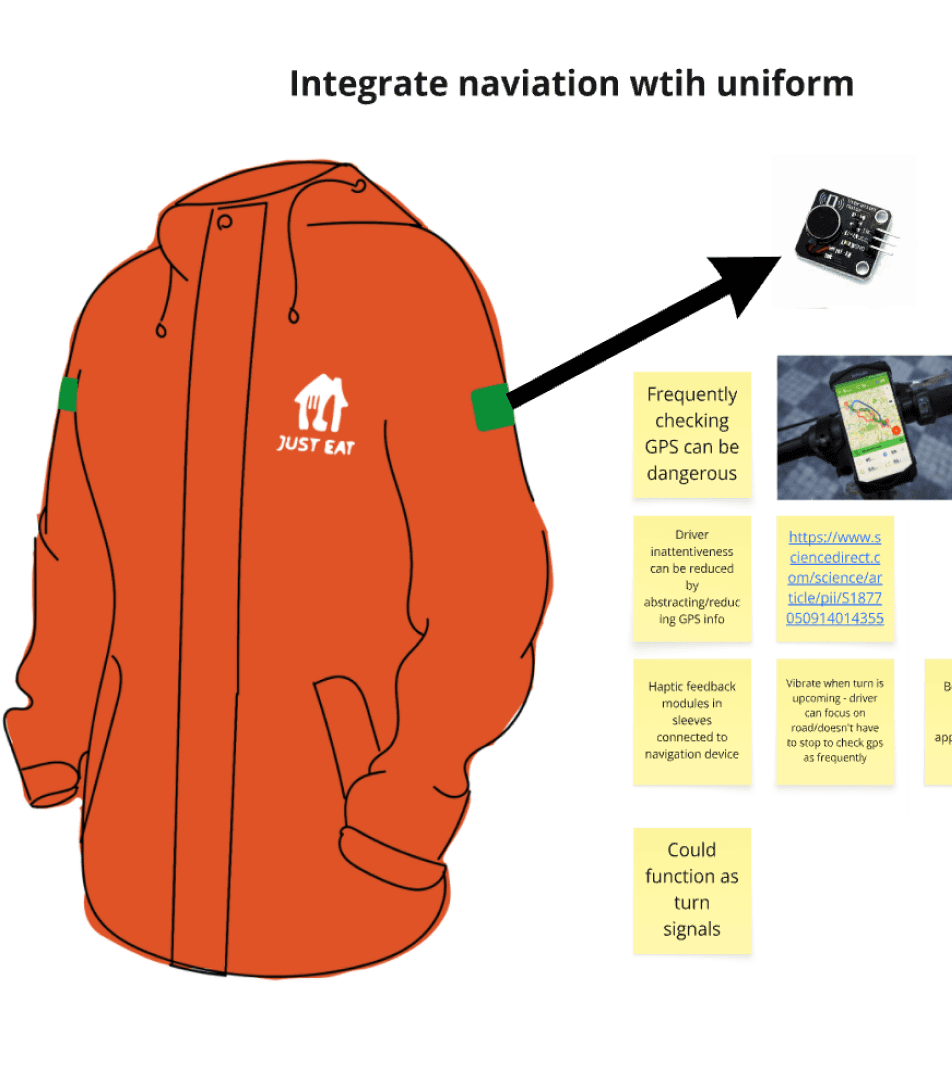
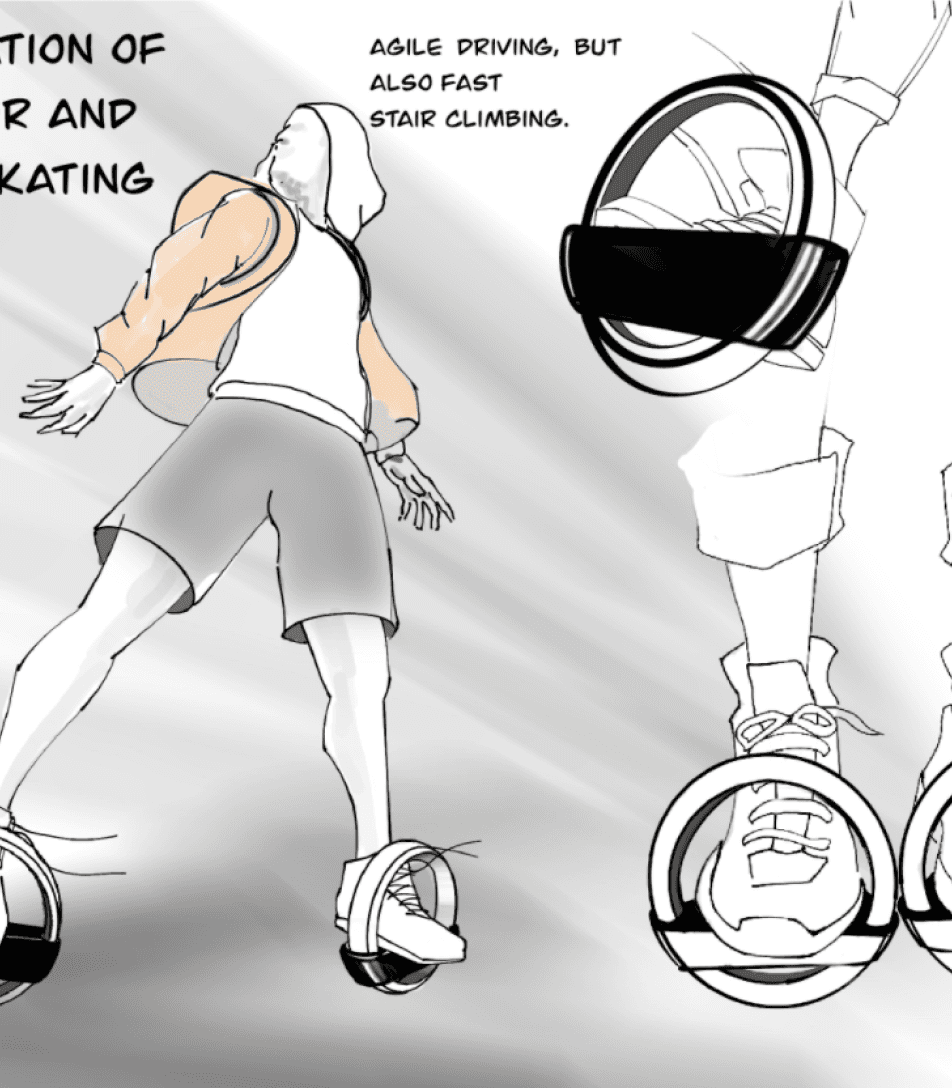
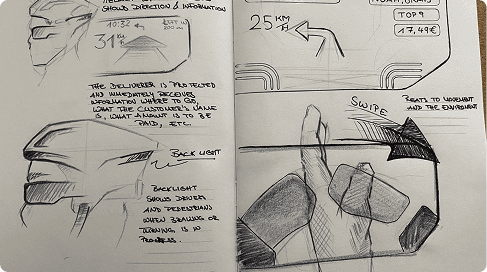
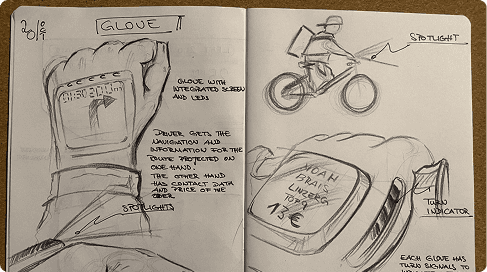
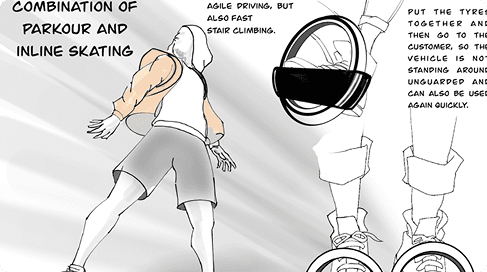
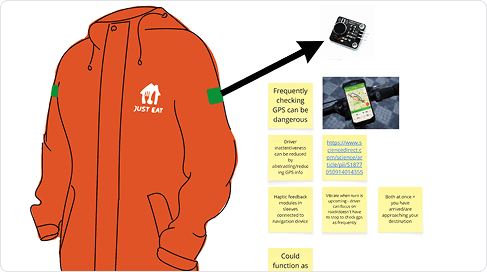
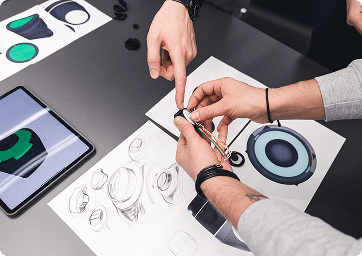
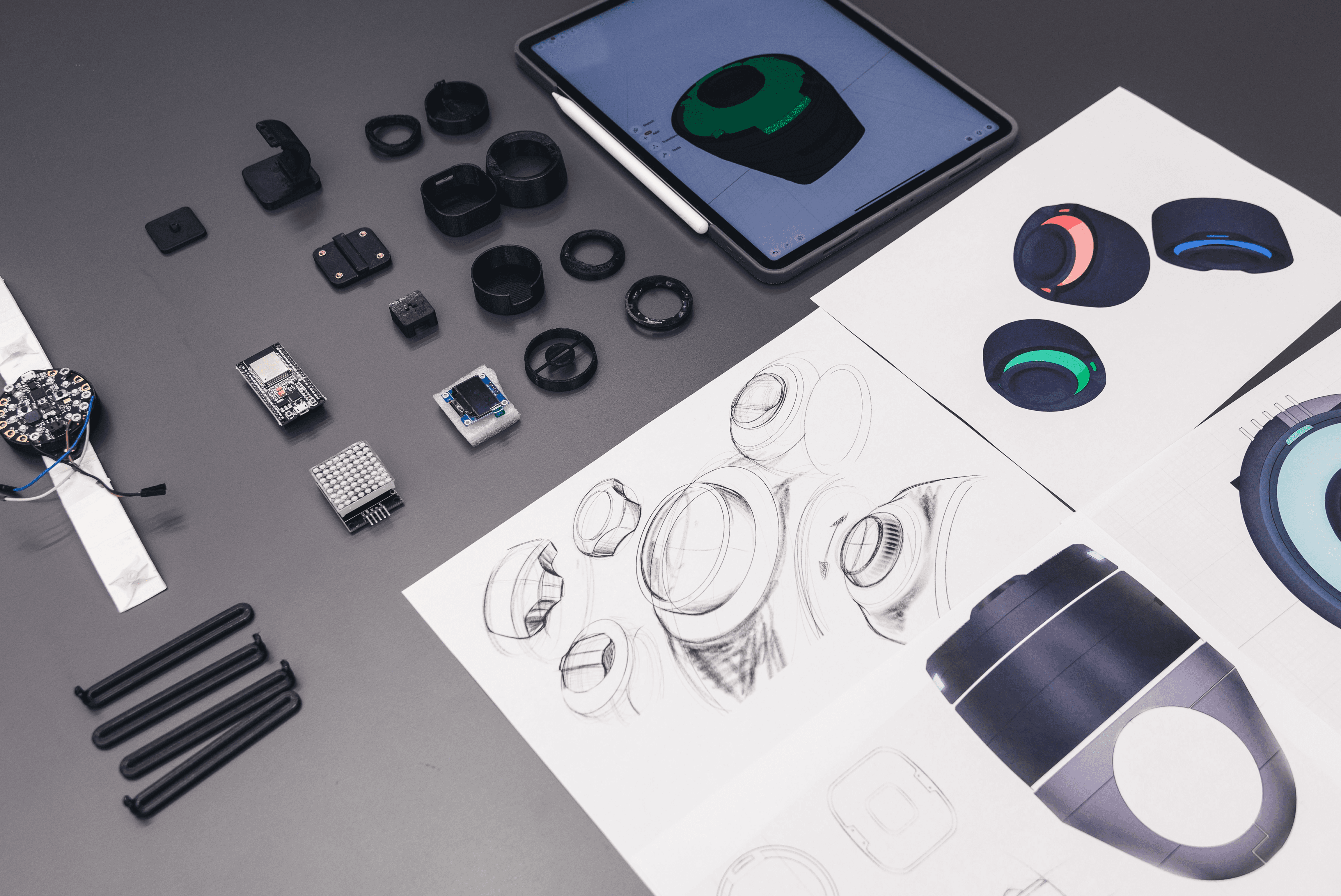
We started exploring options among those that seemed the most feasible to be solved. Below you can see some of our sketches from the brainstorming phase. At this point, no idea was too crazy.

PROTOTYPING

PROTOTYPING

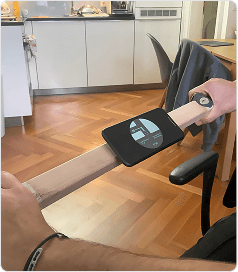
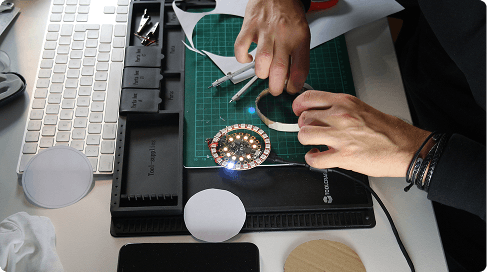
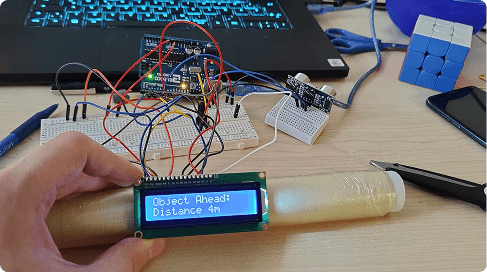
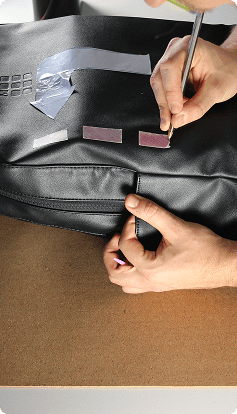
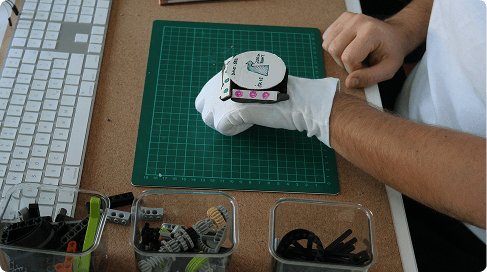
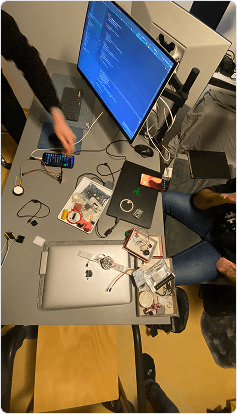
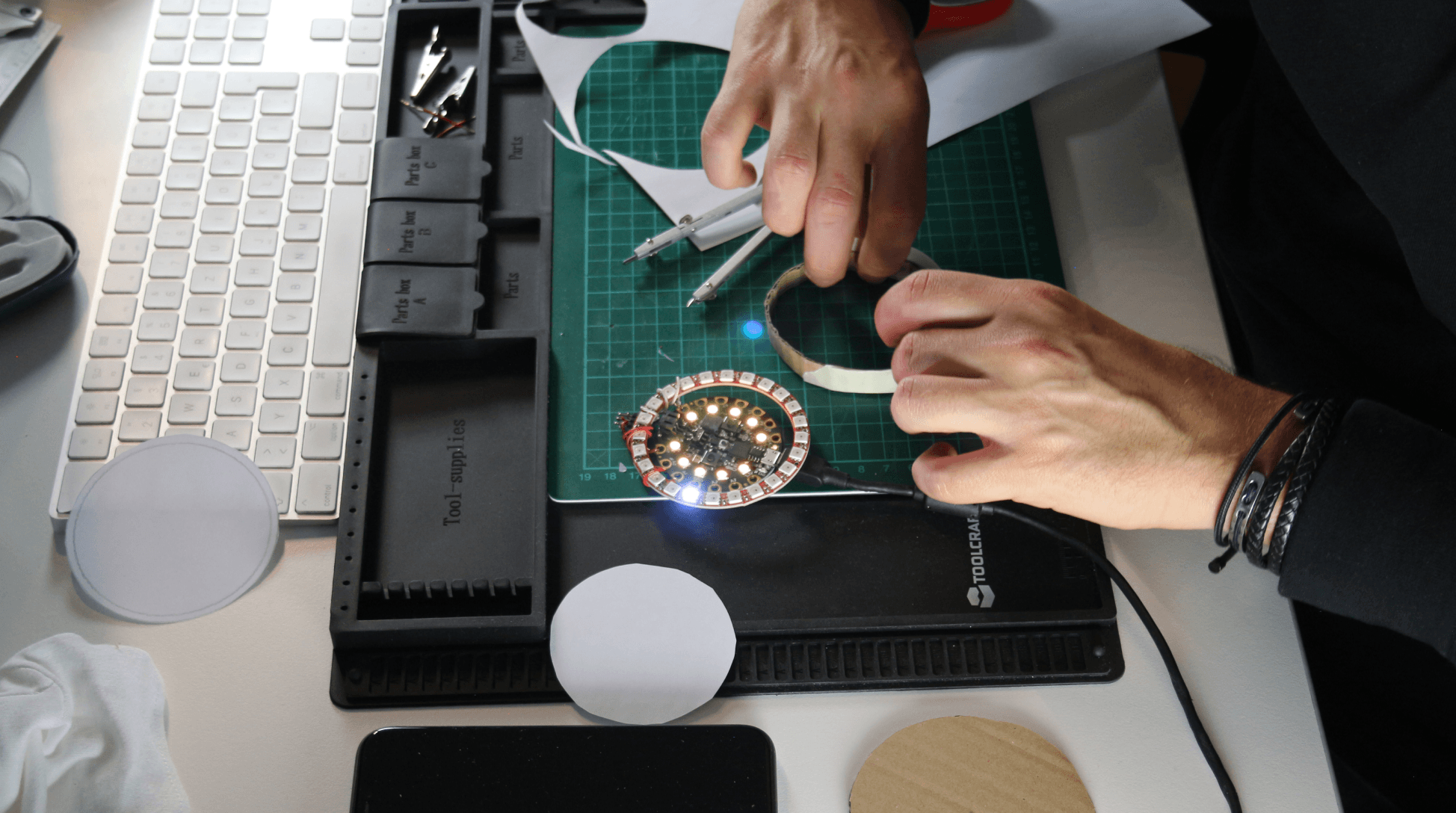
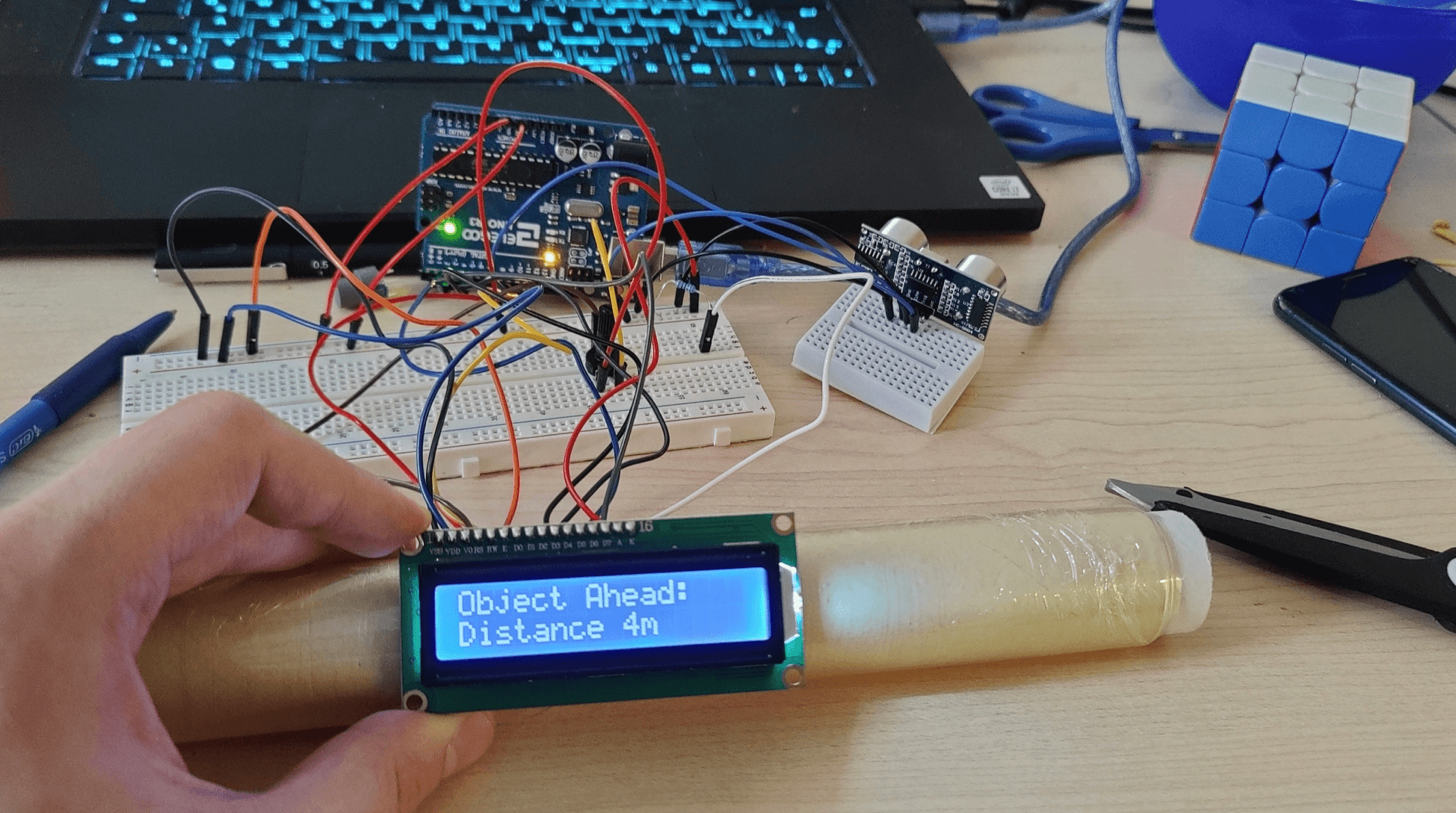
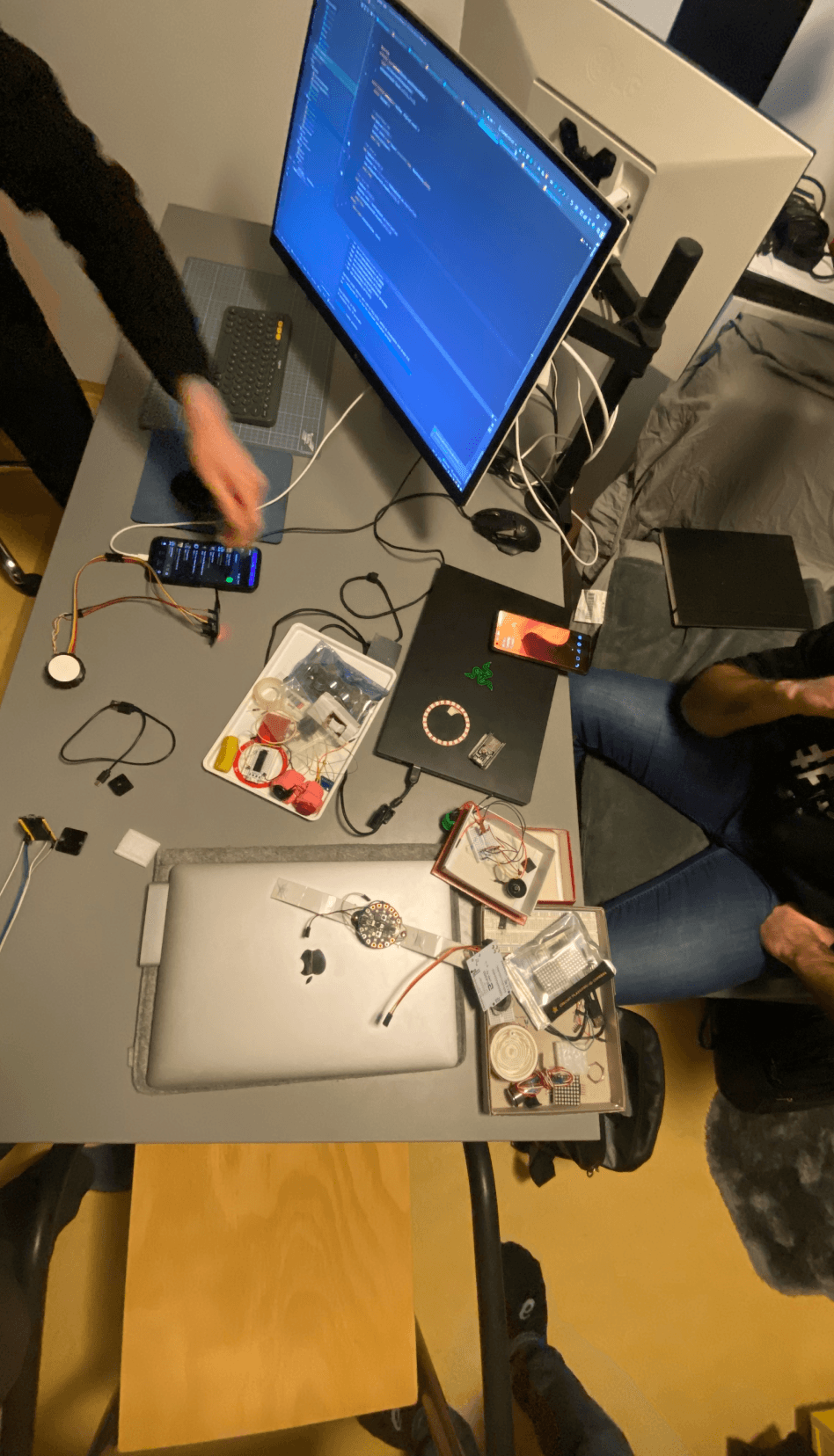
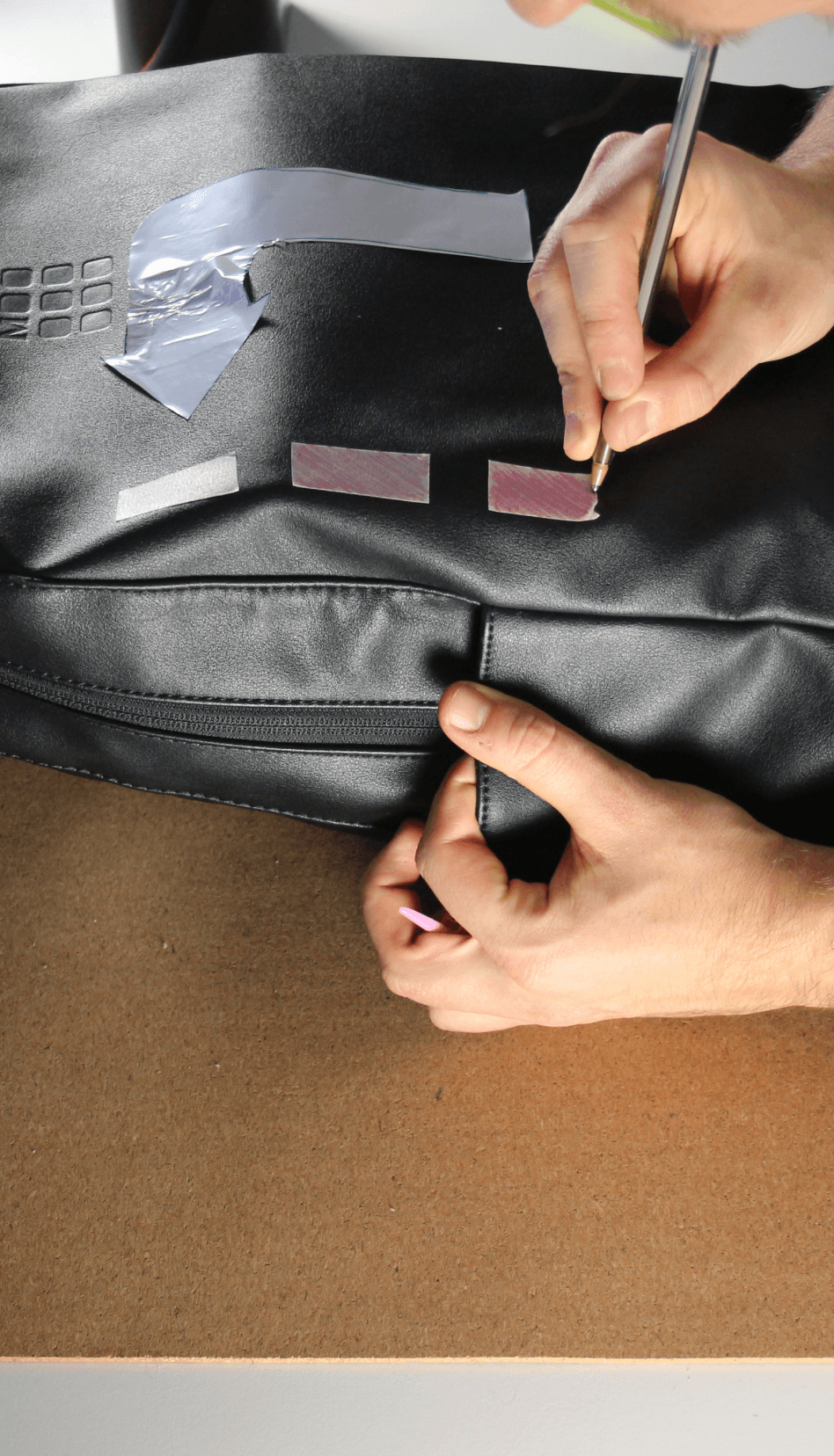
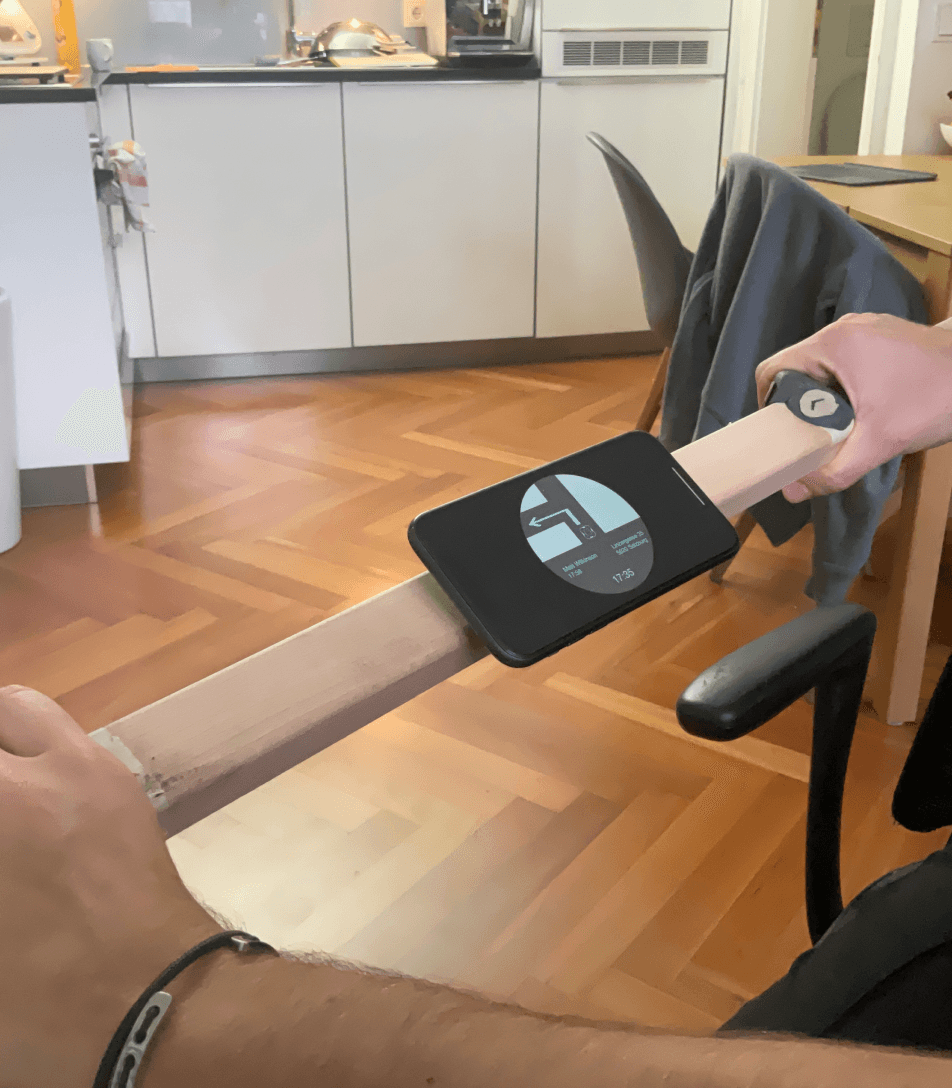
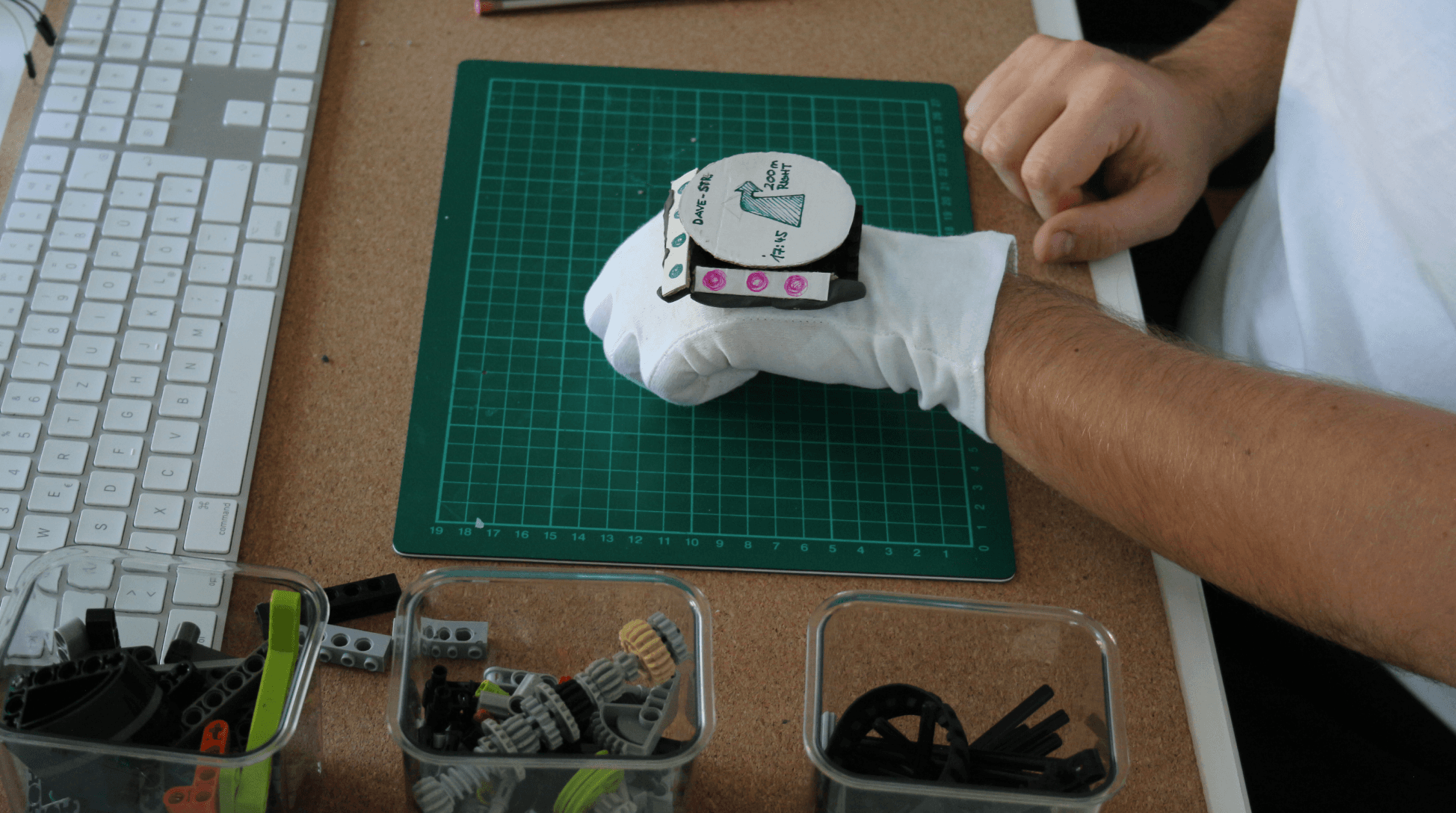
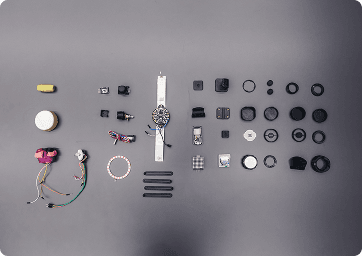
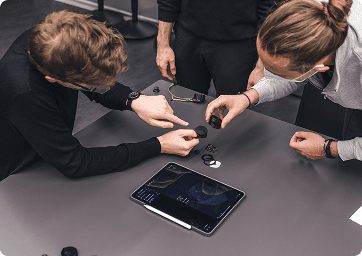
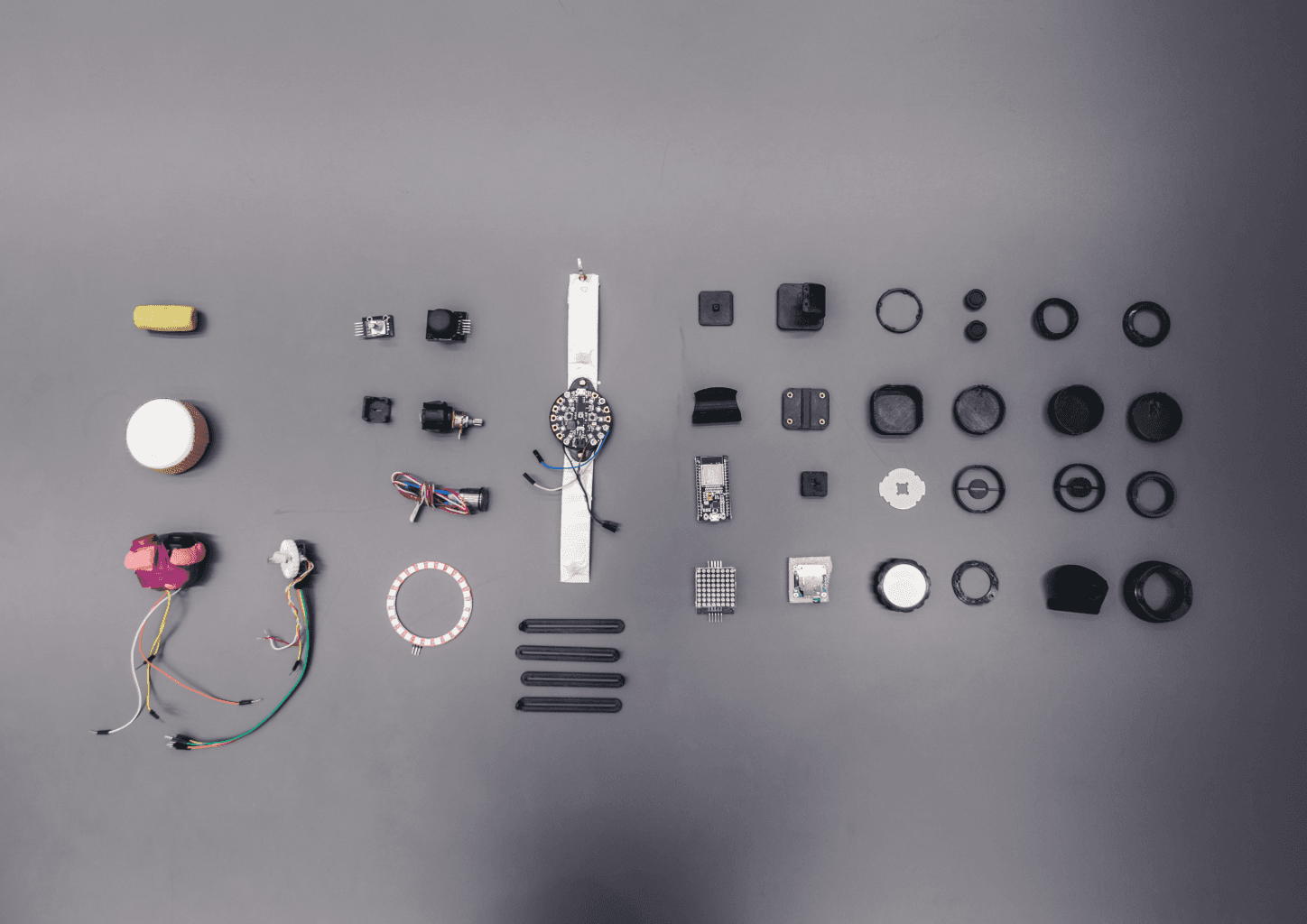
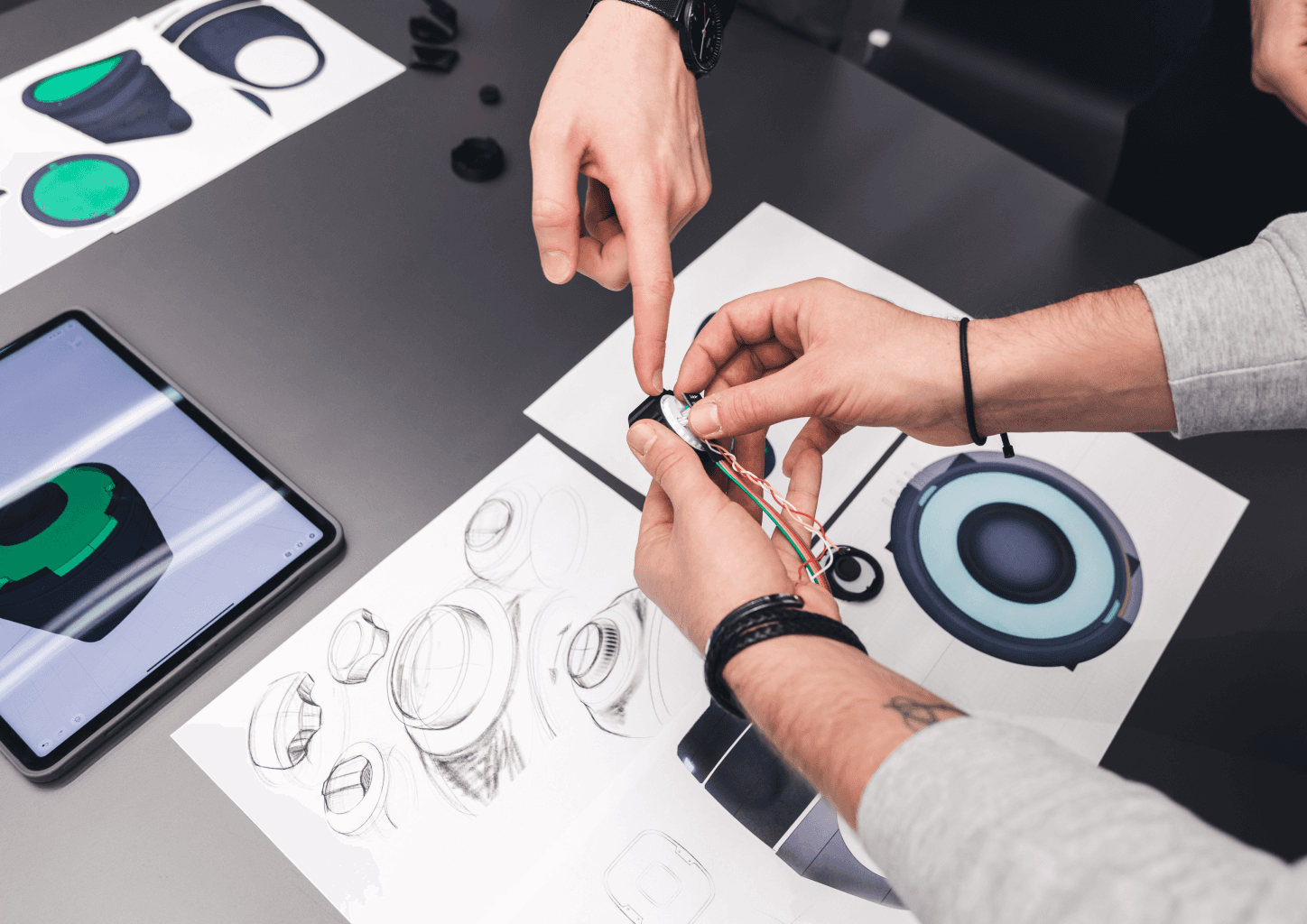
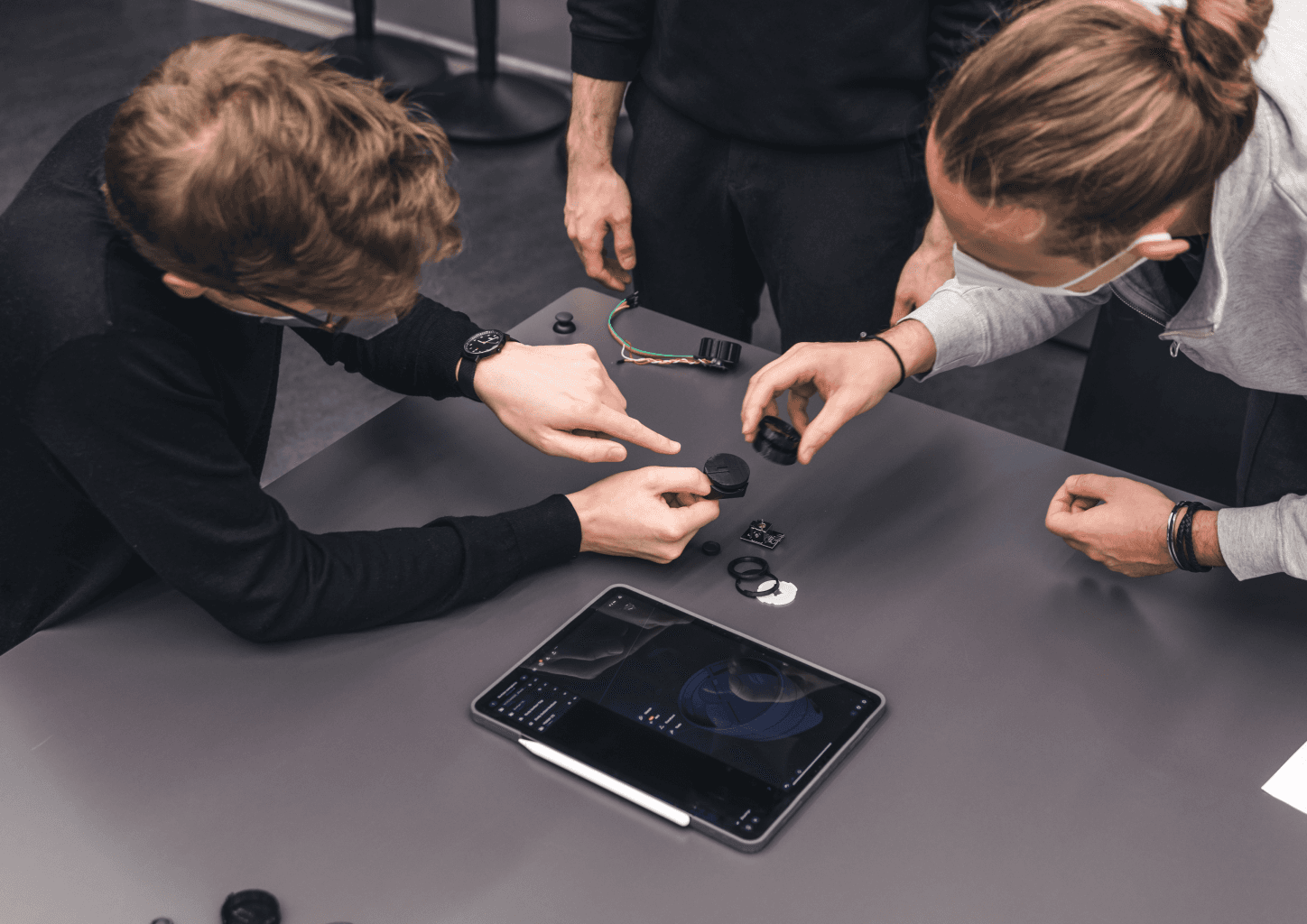
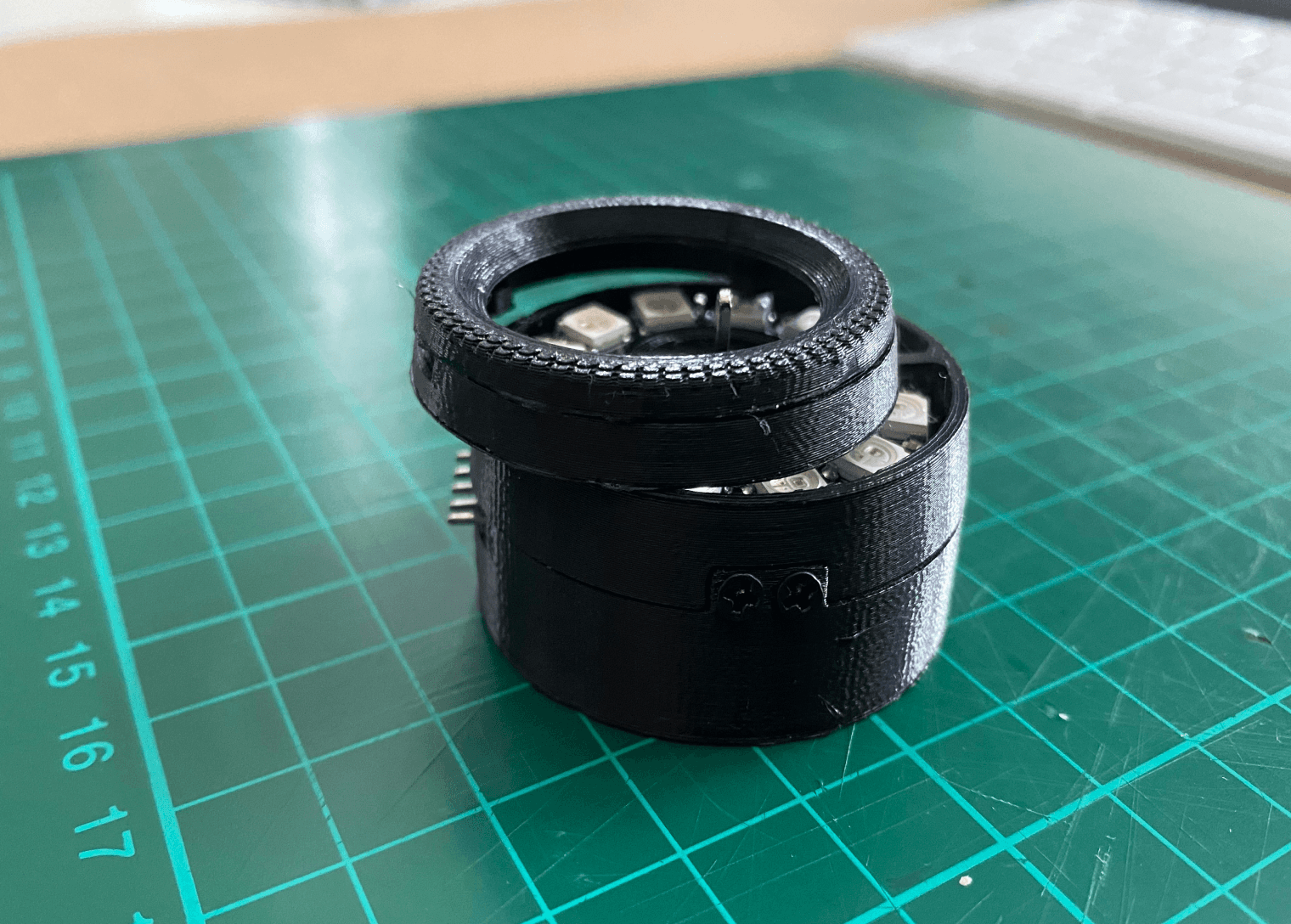
Soon enough we were prototyping the best ideas from our brainstorming sessions. Our prototyping phase involved all of us experimenting with Arduinos, code, crafting materials and even Lego bricks. We wanted to rapidly identify ideas that are technically viable, and could genuinely contribute to increased safety.

In total we produced 86 prototypes.
REFINING THE CONCEPT

REFINING THE CONCEPT

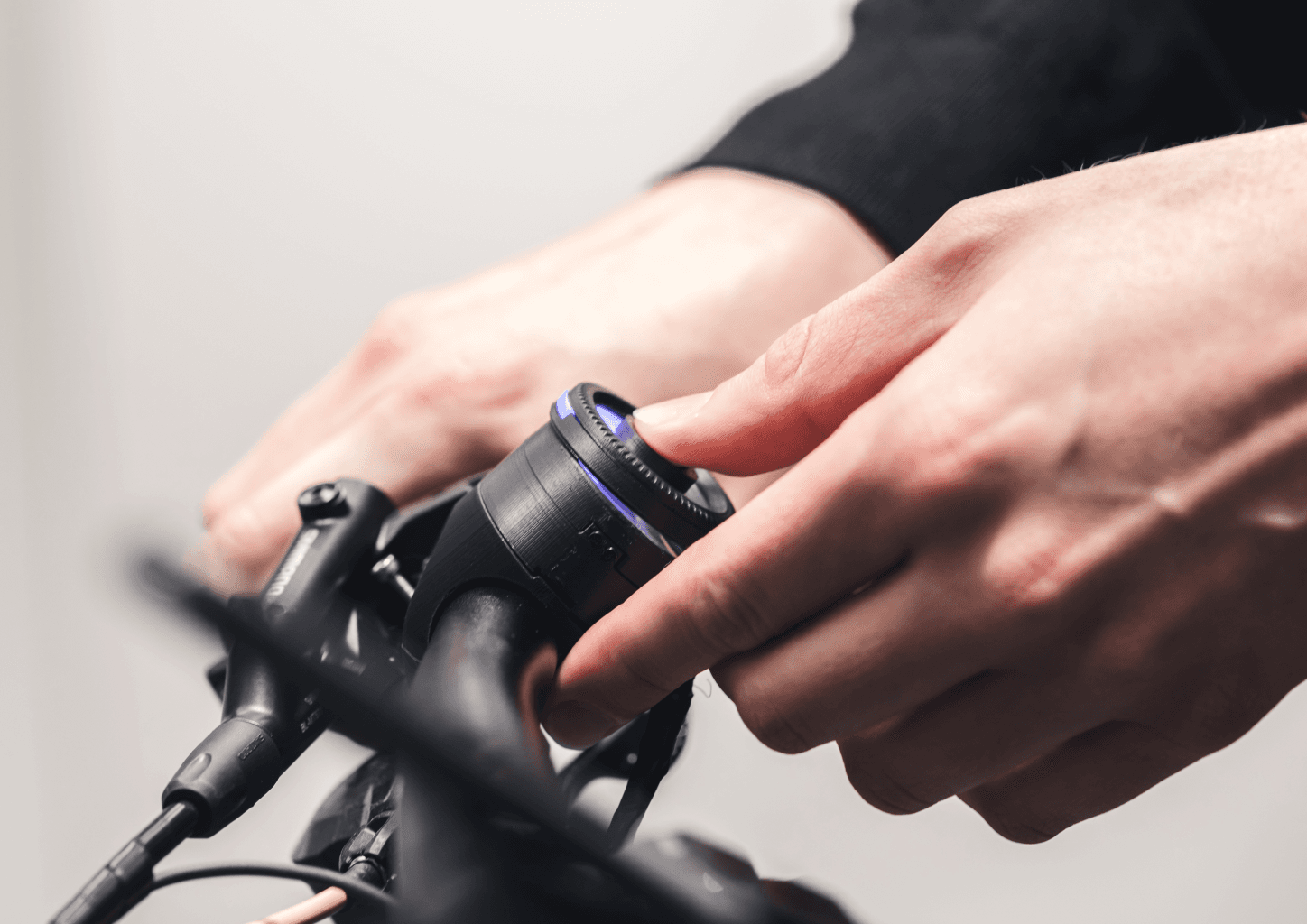
A wheel-mounted interface was both our most tried ideas as well as our favorite

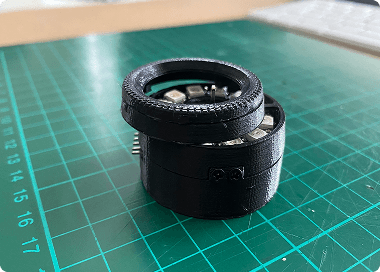
At this point we more strongly divided into specialized roles, though for each part, at least 2 people were involved. My focus because refining the Arduino code, designing the interaction, and designing a basic mobile interface. Meanwhile other members of the team worked on code to allow the device to communicate with our phones, on designing the device housing in CAD to later be 3D printed, on figuring out ways to test it, and working on the pitch deck and documentation.

INTERACTION DESIGN

INTERACTION DESIGN

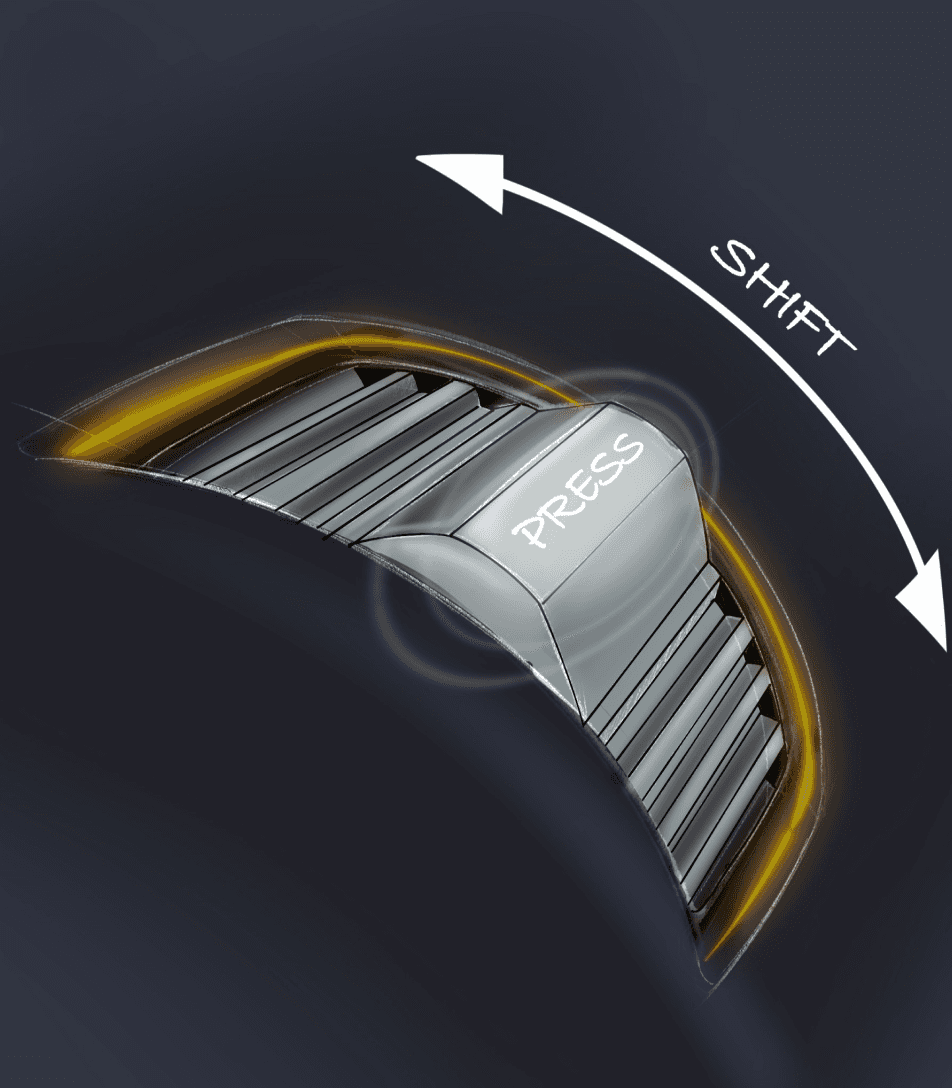
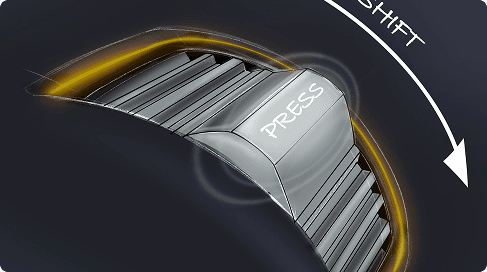
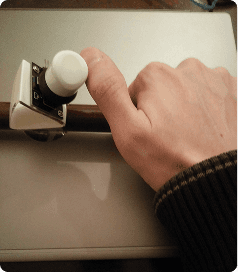
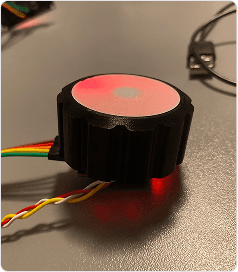
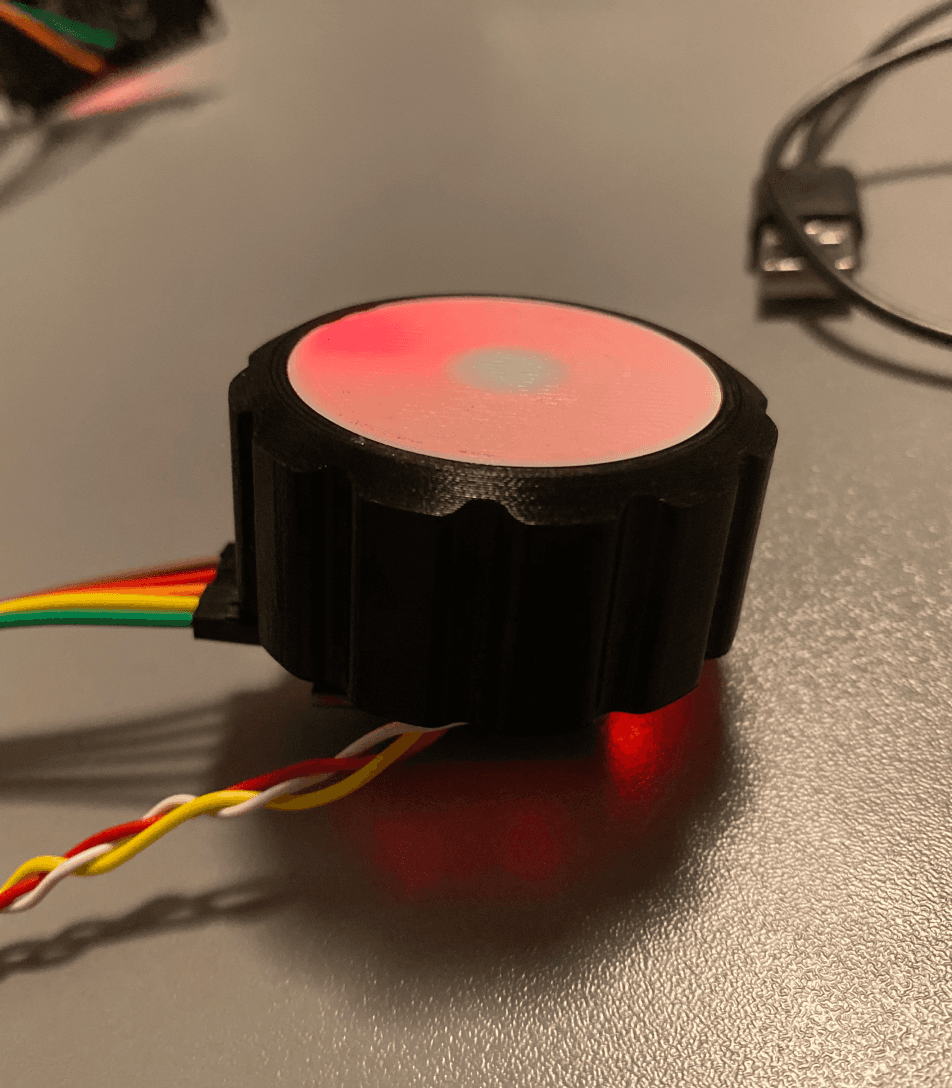
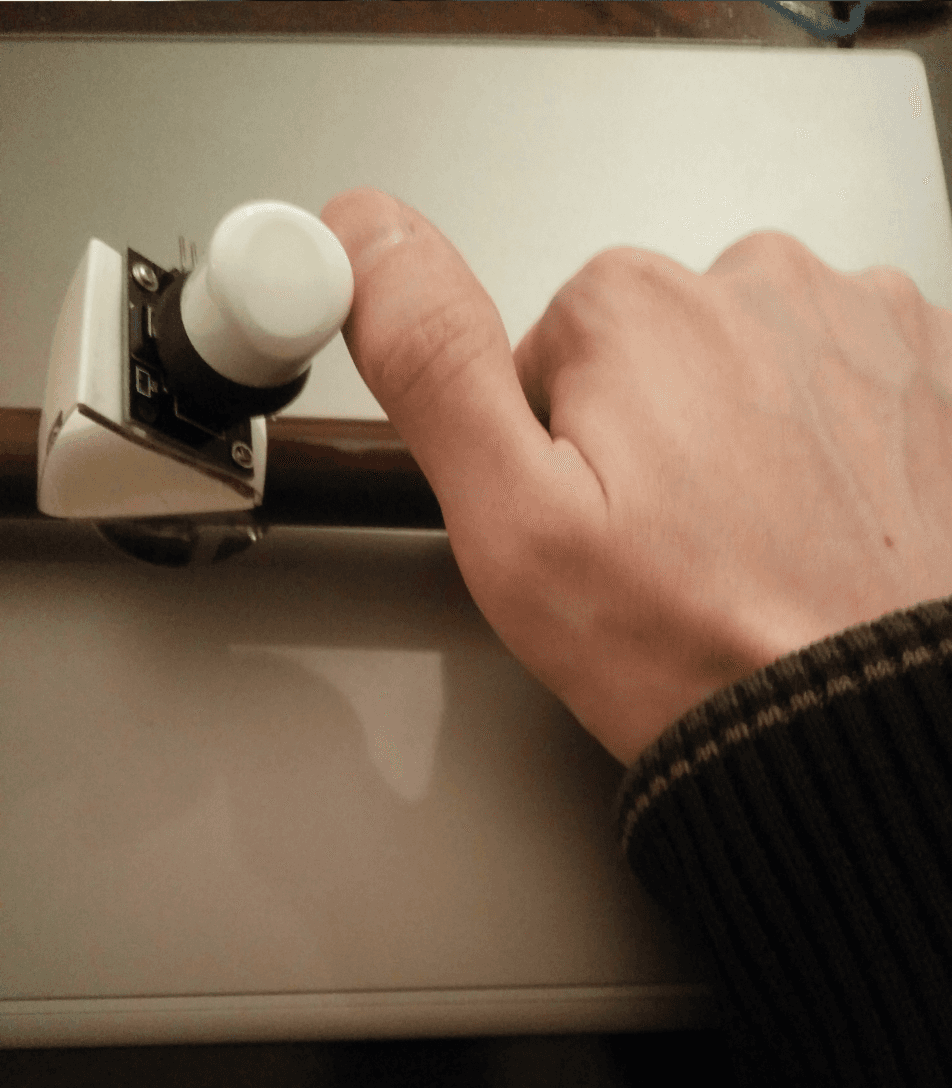
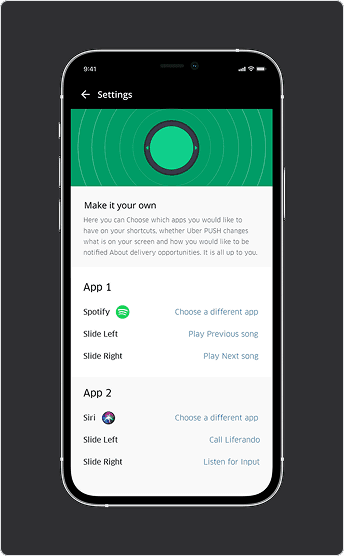
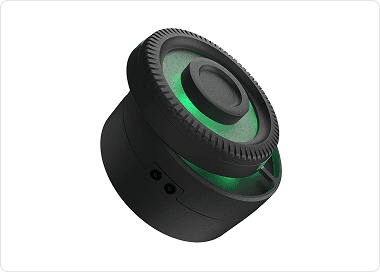
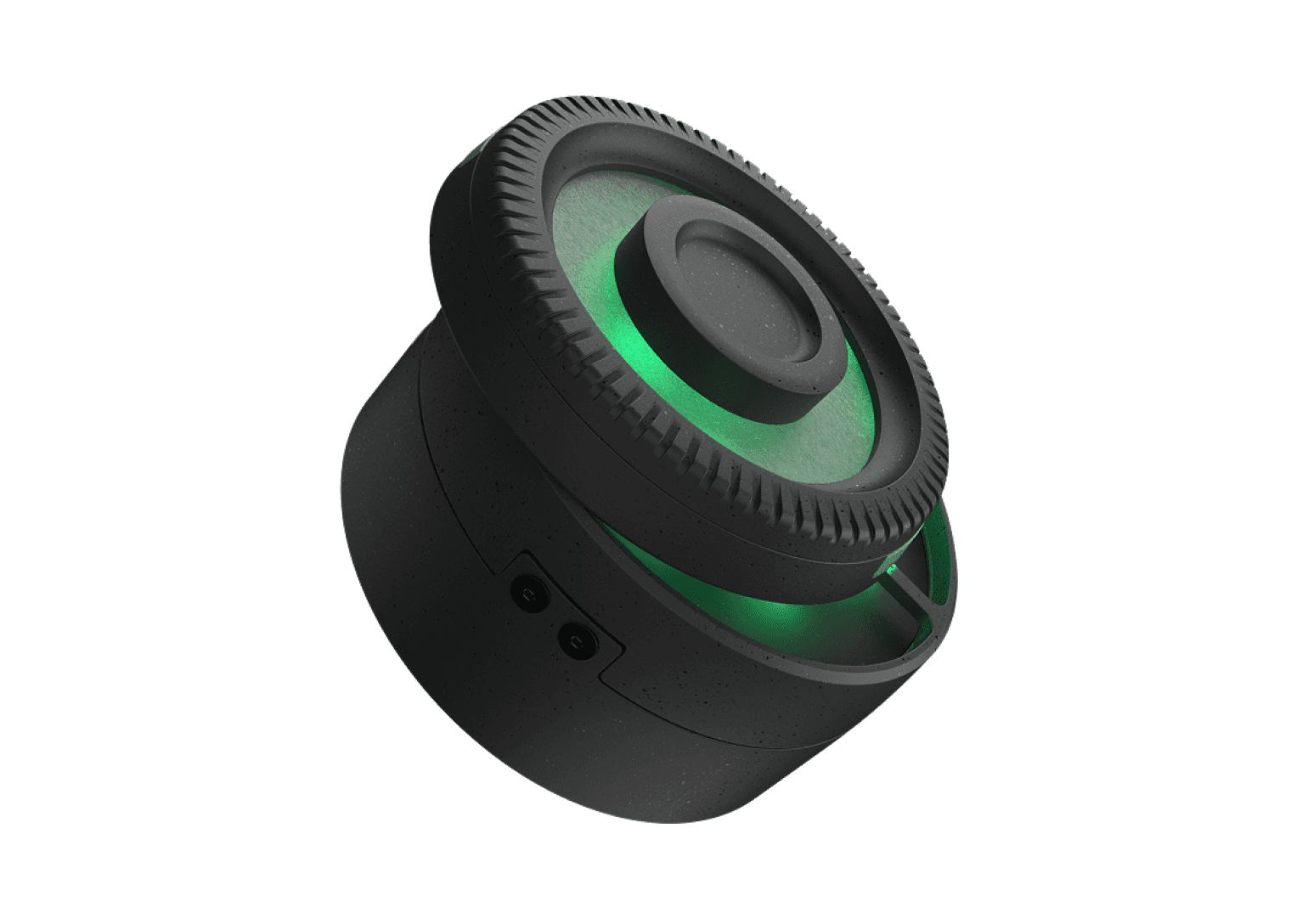
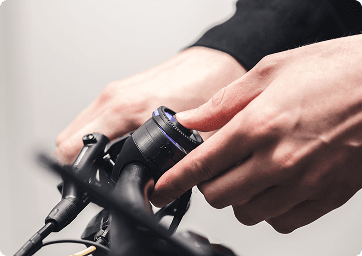
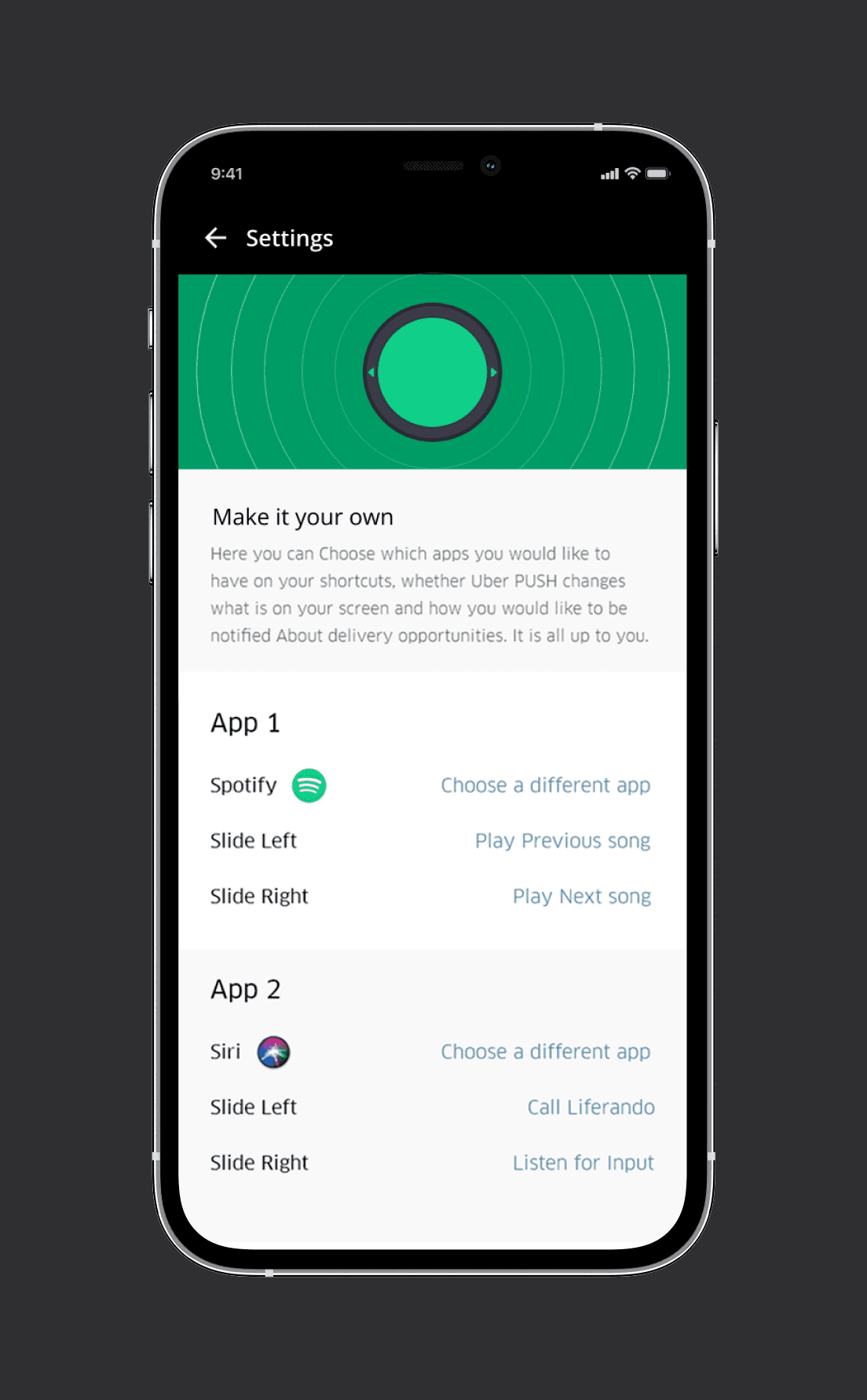
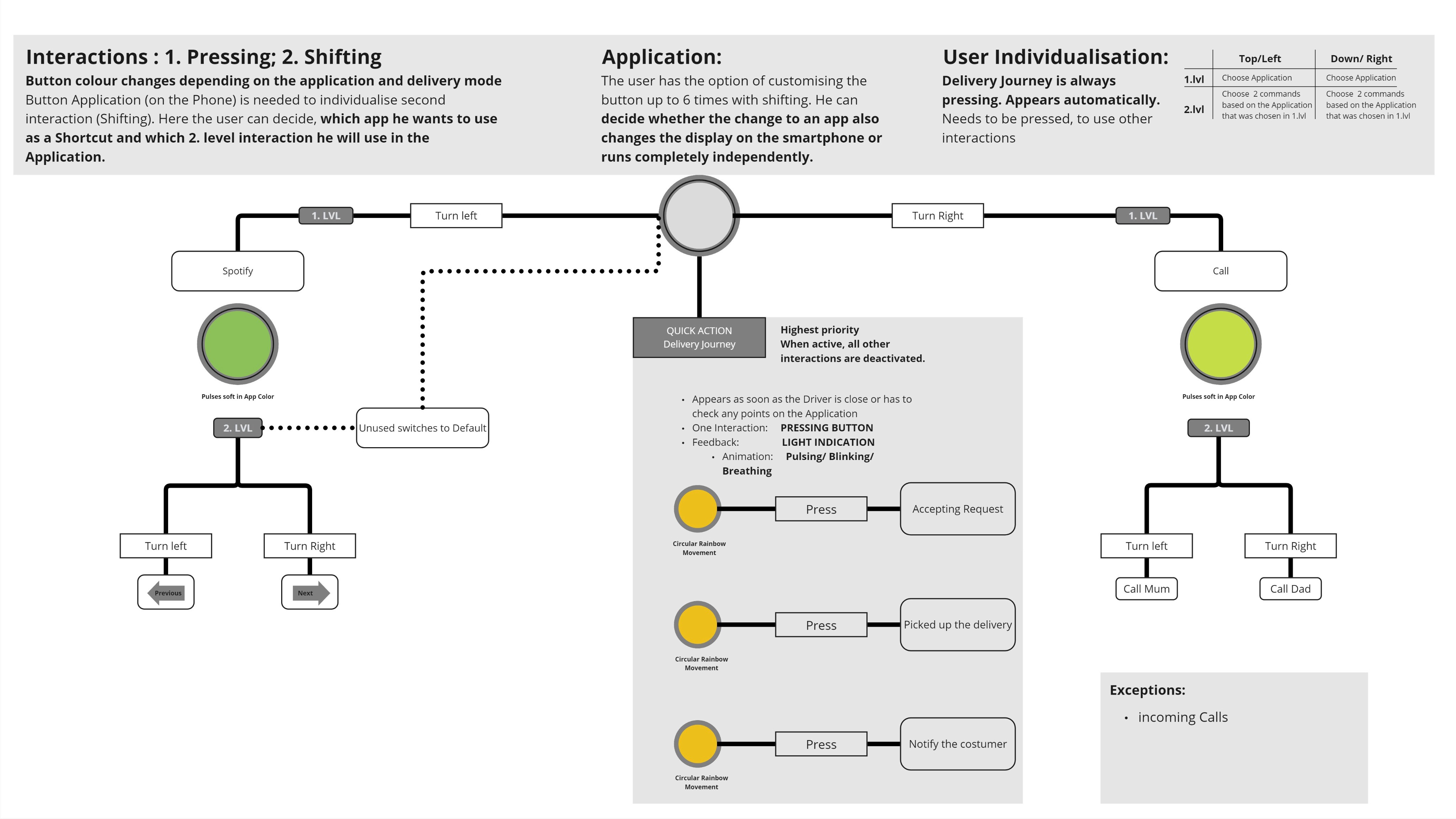
One of the core ideas for the device was having a big, easily pressable button that drivers can tap without having to look at their phones. Contextually, based on information received from the connected phone, tapping the button can answer phone calls, accept deliveries, or finish deliveries. To further reduce the amount of time users need to look at their phones, certain information can also be relayed to them through text-to-speech. Additionally the top of the button can slide along one axis; top-bottom, or left-right depending on how the user chooses to mount it. This gives the user access to additional functionality within apps of their own choosing. By default we opted for spotify and siri/google assistant. All of our drivers talked about having to take their eyes of the road to switch songs, and half of them said they relied on voice assistants.
FINAL OUTCOME

FINAL OUTCOME

A final, healthy test before handing over the project

None of us had motorbikes, but we had the next best thing - bicycles. Two of my team members each took our prototype for a stroll around the city, with a GoPro mounted to their helmet. Meanwhile the rest of us were sending them requests, telling them to change the song or talk to siri, and calling them mid-ride to simulate some of the most common scenarios for delivery drivers.

”This is the most fun I ever had doing research” one of them said afterwards. And more importantly, both of them felt that we achieved our goal, and that they barely glanced at their phones the entire time. Further, testing with actual motorbike riders was handled by Kiska.

THE HANDOFF

THE HANDOFF

In the end, we delivered a functional alpha prototype, a design proposal for a custom microprocessor, reusable code components, detailed interaction diagrams, and a 15 page summary of our research.

© 2025 Azur Mesic

© 2025 Azur Mesic